

By Dani Renouf, RD, MSc, CDE
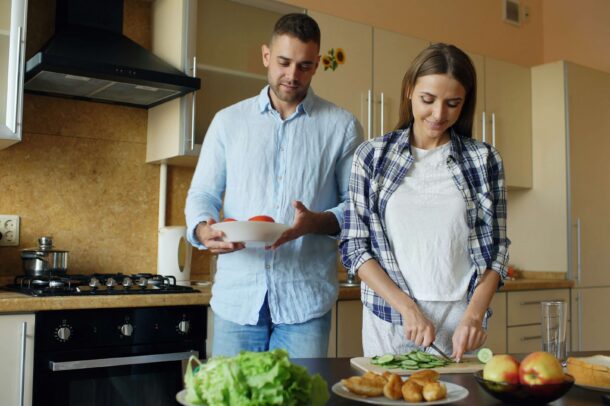
Photo by Vitaly Gariev on Unsplash
The quality of life that we experience is the most important aspect of our wellbeing. This means that when we feel better, we are more likely to take on new challenges, embrace change, and seek experiences that continue that feeling of well-being. Food is such an essential component of this process – when we eat food that is tasty, easy to make, and nourishing, we are more likely to benefit from all the great nutrients and health benefits food provides.
Of course, we need to put in some effort to make sure we are meal planning in a way that works with our daily routine, our cultural food preferences, and our social situation, especially when we are meal planning for a household, or economizing to meal plan for one. The following tips can help you make meal planning more joyful, simple, and efficient.
- Spend no more than 30 minutes preparing your meals. This means that your challenge is to put in work in advance so that when meal times approach, you are mostly reheating or preparing one main item from scratch, while the other elements of the meal are already done. For example, cook some brown rice in advance and freeze the cooked rice in portions. That way, you can defrost what you need for your next meal, pair it with some frozen vegetables, and prepare only the protein from scratch, for example, fish or tofu. You can turn these simple ingredients into a Fried Rice, or a meal bowl within 20 minutes. For recipe inspiration, try our tofu stir fry (for which you can also substitute chicken, beans, lentils, or canned tuna or salmon) https://www.kidneycommunitykitchen.ca/kkcookbook/recipes/vegetable-and-tofu-stir-fry/
- Always have vegetables on hand. Whether you enjoy fresh vegetables or if frozen vegetables are easier for you to prepare and store, these need to be present at each meal to make sure you’re getting adequate fibre, vitamins, and other important nutrients for your health. Using one vegetable in different ways helps you reduce food waste. For example, buying lettuce can make adding vegetables to your meals much easier, because you can make lettuce wraps – https://www.kidneycommunitykitchen.ca/kkcookbook/recipes/tofu-lettuce-wrap/ or a simple breakfast burrito https://www.kidneycommunitykitchen.ca/kkcookbook/recipes/breakfast-burrito/ by adding lettuce as the main vegetable. Choose vegetables you enjoy eating, as any type you choose to include is going to be helpful in meeting your nutrition needs.
- Make fruit a fun part of every dessert. Although we want to use balance and moderation when choosing desserts, we also want to include some fun foods in our ways of eating, because this is such an important part of our quality of life. To do so, try adding your favourite fruits to the desserts you eat, or better yet, try some fruit-forward desserts, like this high energy berry muffin – https://www.kidneycommunitykitchen.ca/kkcookbook/recipes/high-energy-berry-muffin/ or apple blueberry crisp – https://www.kidneycommunitykitchen.ca/kkcookbook/recipes/apple-and-blueberry-crisp/ Both can be prepared in batches and frozen in portions for easy snacks or a part of your morning meal, if breakfast is a difficult one for you to fit in.
As you may already experience, food is so much more than nutrients, just as much as it is medicine, joy, and connection. When you set a small goal to plan a part of your meal, it can help so much in gaining confidence, building ongoing habits, and best of all, feeling the improvement in your everyday life.