

By Julie Hutter, RD, CDE
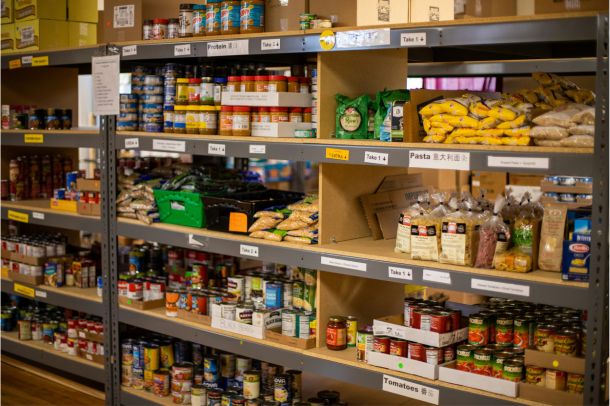
Last year, nearly 2.2 million visits were made to Canadian food banks each month—a new record1. With the rising cost of living and tougher economic conditions, food banks are relied upon more than ever before.
Because food plays such an important role in kidney health, it’s important for everyone to
have access to the right foods, regardless of their financial or social situation. While there’s no standard diet for CKD, common restrictions include limiting salt, potassium, and phosphorus intake, which can be tricky when the variety of food available at food banks is limited. But even within those limitations, it is still possible to make healthier, kidney-friendly choices.
It’s helpful to talk to your local nephrology (kidney) dietitian or social worker to learn about the food banks available in your area. Some food banks offer home delivery, while others operate like grocery stores where you can choose your own items. Your dietitian may also be able to connect with local food programs on your behalf to advocate for your specific dietary needs.
While you might not always be able to make the ideal choice when using a food bank, you can still make kidney-friendly decisions by using the chart below as a guide. Keep in mind that these suggestions are general and may not apply to everyone with kidney disease, as individual needs can vary.
For the grain products, choose more often:
- white, whole wheat or rye bread
- corn or rice cereals
- plain pasta, rice or couscous
- unsalted crackers
- rice cakes
- unflavored oatmeal
- pearled barley
For dairy products, choose more often:
- milk (regular or powdered)
- brick cheese
- cream cheese
- butter/margarine
- yogurt
- low-sodium cottage cheese
For protein products (meat and alternatives), choose more often:
- peanut butter
- eggs
- frozen, unseasoned meat, poultry and fish
- canned tuna, salmon or chicken
- tofu
- textured vegetable protein
- pink lentils
- low-sodium canned chickpeas, kidney beans or pinto beans
For fruits and vegetables, choose more often:
- canned fruit (pack in water, if available, for those with diabetes)
- canned vegetables such as peas, carrots, yellow or green beans, corn
- canned potatoes
- fresh or frozen fruit and vegetables
- fresh potatoes, double-boiled (see below)*
- applesauce
- juice (apple, cranberry, grape)
Other products, choose more often:
- chicken-based soups
- beef-based soups
- pesto sauce
- alfredo sauce
- corn/tortilla chips
- cookies (shortbread, wafer, sugar, arrowroot)
- popcorn
- pretzels
- Rice Krispies treats
Helpful Tips:
- *Double-boil fresh potatoes to reduce their potassium content. Find instructions here.
- Rinse canned vegetables two or three times to remove excess salt.
- Choose “unsalted”, “low sodium” or “sodium-reduced” products whenever possible.
- Cook fresh meat and vegetables shortly after visiting the food bank or freeze them for later use. Save canned goods for later in the month. You can also freeze bread, meat, and other perishable items if you receive more than you can use right away.
- Store canned goods in a cool, dry place, and refrigerate perishable items promptly. Follow the FIFO (first in, first out) method to ensure older items are used first, minimizing waste.
- Plan your meals after visiting the food bank to make the most of what you’ve
- received. This helps you create balanced meals and reduce food waste.
Making the Best of the Situation:
When relying on a food bank, it’s important to remember that you might not always find your ideal choices. However, by making mindful decisions and focusing on what you can control, you can still make better, kidney-friendly choices. If needed, you can work with your dietitian and local support networks to find creative ways to improve your food access, ensuring you get the nutrients you need to stay healthy.
For additional information, see our handout on Navigating the Food Bank for the Kidney Diet.