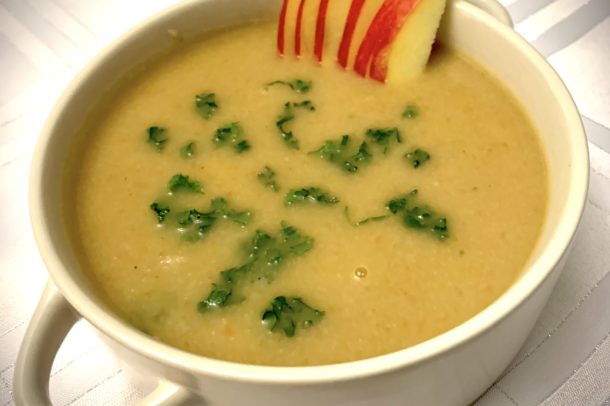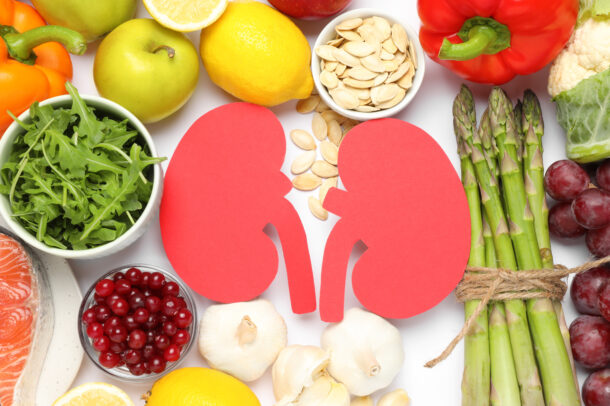

Managing your potassium intake is an important part of a healthy kidney diet. Read our blog posts and fact sheets on potassium management and find tips on making informed nutrition choices. Plus, explore a variety of kidney-friendly recipes designed to help you enjoy flavorful meals while maintaining optimal potassium levels.
Fact Sheet:
Potassium and Chronic Kidney Disease (PDF)
Selected Posts from The Dietitians’ Blog
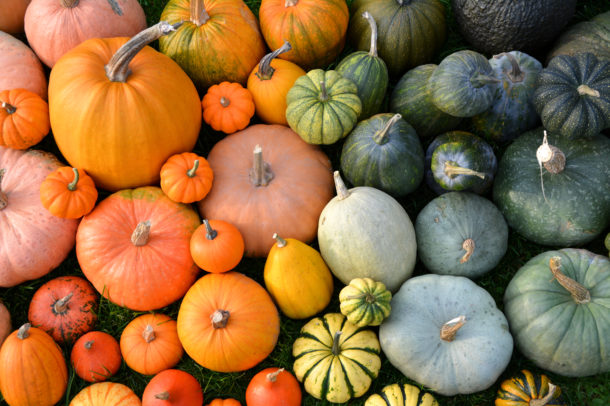
Pumpkins, Squash and All Things Fall
Submitted by Deirdre Neuman, Reviewed and edited by Dani Renouf, RD MSc As summer draws to an end and fall […]
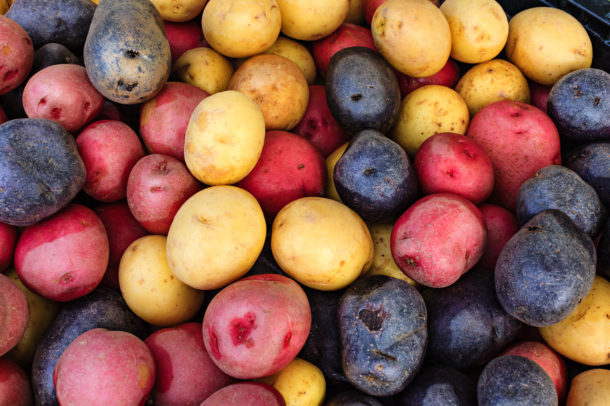
Lower Potassium Potatoes
Submitted by Fiona Bellefeuille, RD For those of you on a low potassium diet you are likely aware of the […]
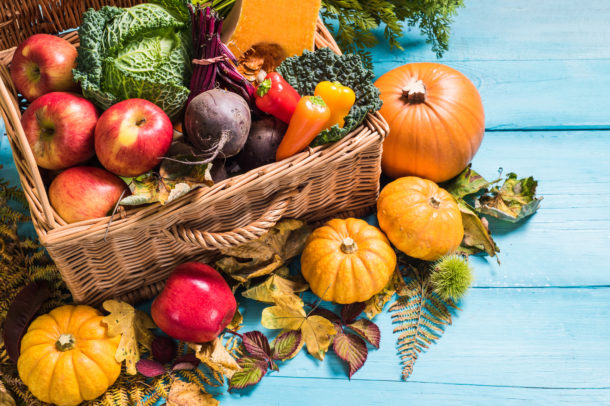
What’s In Season? Autumn 2023
By Julie Hutter, RD, CDE As the weather begins to cool down, warm and comforting dishes tend to make a […]
Selected Recipes

Mushroom and Egg Pie
For a fun twist, make in mini tart shells to serve as a snack or appetizer.
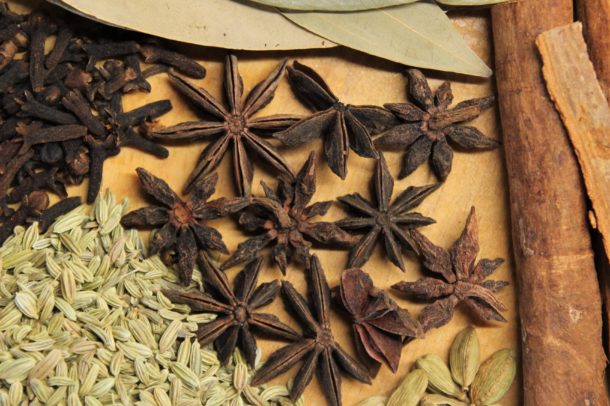
Asian Spice Blend
In a bowl, combine all the ingredients and whisk gently to combine. Package the mixture in an airtight container until […]