
Blog and Recipe Co-created by: Laura Gosine, Shannan Grant, Huanyue Wang, Registered Dietitians, Nephrology Program, Queen Elizabeth II Hospital, Nova Scotia Health
December and January often include celebrations centered around food and drinks. In fact, many people celebrate with cultural and traditional food during this time of year, making it a period of widespread culinary activity and social dining. Major holidays like New Year (e.g., Gregorian, Lunar), Kwanzaa, Christmas, and Hanukkah often involve festive meals or feasts, baking seasonal treats, and gatherings where food and drink are a key element. Even for those who do not observe these holidays, this period often brings work parties, end-of-year gatherings, and general social events that contribute to a packed eating schedule. This can be a challenging time for people living on a special or modified diet. For instance, people living with kidney disease.
There are several education materials dietitians use to assist patients in increasing nutrition and food knowledge and skill, and informed decision making. One such material is “The Plate Method” (figure 1). Although a widely used and accepted approach to meal planning, this material may not be easily applied in all scenarios. For instance, patients have reported that it is challenging to apply this approach when eating out of the house, to breakfast, and mixed meals (reference). Mixed meals include casseroles, stews, or certain ethnic dishes where ingredients are mixed; it may not be common for many people to have half of the plate to be non-starchy vegetables (reference). Despite these limitations, the plate method is widely praised for its simplicity and for building general dietary awareness. It helps individuals visualize balanced meals without complex math or counting calories, increase awareness of current eating habits, and encourage more produce and lean protein intake, promote sustainable healthy habits for the general population (reference). This New Year, we want to think with you about ways we can deconstruct and reconstruct the plate. For personalized guidance, it is always recommended to consult a registered dietitian who can tailor a plan to your specific needs and lifestyle. Remember, any educational material you receive should be adapted to you and your needs, not the other way around.
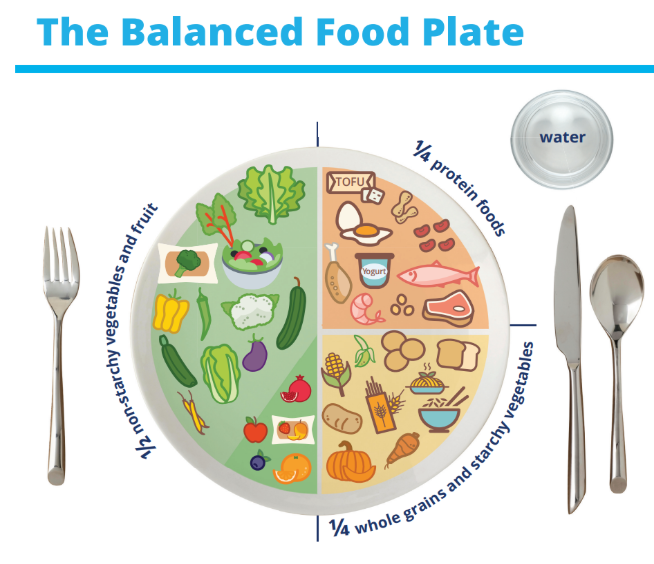
Figure 1. Diabetes Canada version of the balanced food plate model (Diabetes Canada 2024)
In honour of The Year of the Fire Horse and Lunar New Year, we have decided to apply The Plate Method to a traditional Chinese Dish, with the aim of showcasing the adaptability of the plate method to all meals.
View the vegetarian fried rice recipe here.
In the Chinese zodiac, the horse symbolizes freedom, energy, independence, and strength. These years are characterized by forward momentum, passion, and a love for social gatherings, but also a need for challenges and new experiences. We would like to invite you to try envisioning a recipe you enjoy using the plate method and work with a dietitian to make substitutions that align with your current needs.
Goal: Using the plate method, adapt one familiar/ nostalgic/ favourite recipe to align with your kidney-healthy dietary recommendations.
What could this look like? Well, in our recipe, we adapted a traditional Chinese recipe (and favourite of Huanyue’s) to a kidney disease-friendly diet. Reduced dietary salt/sodium by 44% by substituting broth and soya sauce with no added or reduced sodium options.