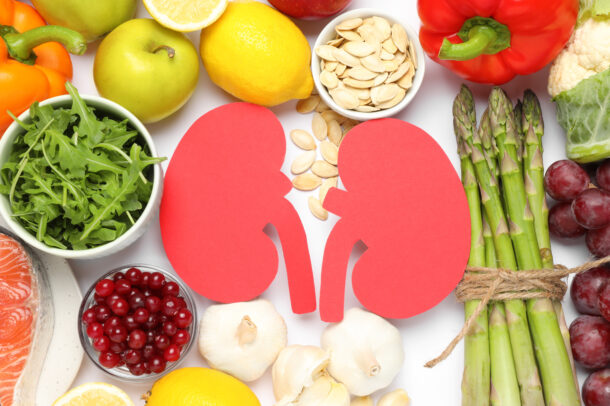

Managing your potassium intake is an important part of a healthy kidney diet. Read our blog posts and fact sheets on potassium management and find tips on making informed nutrition choices. Plus, explore a variety of kidney-friendly recipes designed to help you enjoy flavorful meals while maintaining optimal potassium levels.
Fact Sheet:
Potassium and Chronic Kidney Disease (PDF)
Selected Posts from The Dietitians’ Blog

Is there a banana hiding in your sandwich?
There aren’t too many “nutrition emergencies” in the hospital setting. But when a patient has a critically high potassium level […]

March is National Nutrition Month
Ingredients for a Healthier Tomorrow In celebration of Nutrition Month and Dietitians Day (March 16), the Kidney Community Kitchen would […]
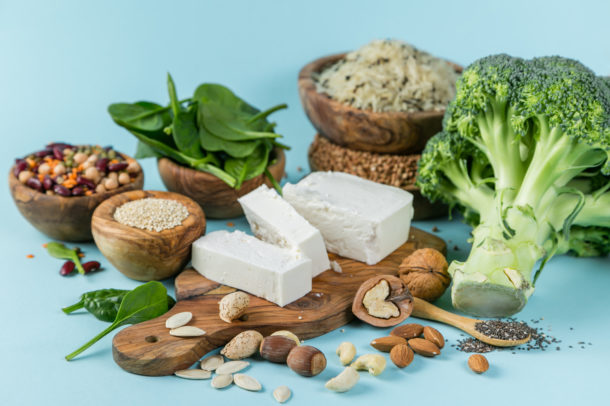
Kidneys, Beans and Greens
By Claire Chartrand MSc. RD Traditional dietary guidelines for people with chronic kidney disease recommended avoiding many plant-based foods such […]
Selected Recipes
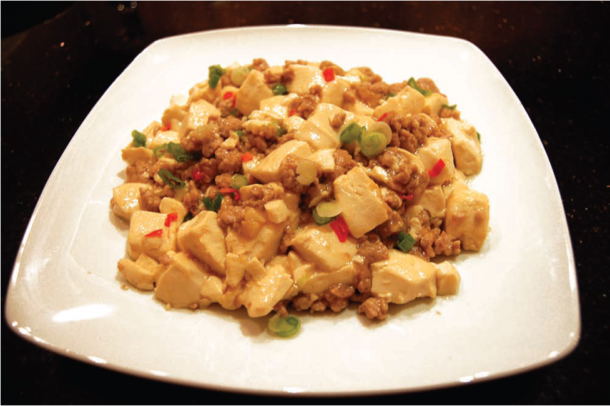
Ma Po’s Tofu (Bean Curd)
Ma Po’s Tofu is a popular dish that comes from China’s Sichuan province. The sauce is a spicy bean sauce and the dish is served over steamed rice. Enjoy!
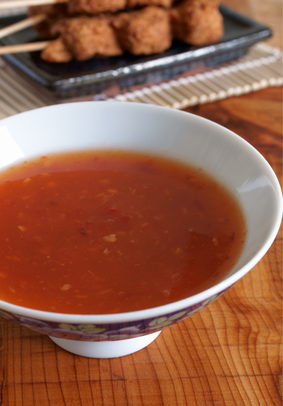
Sweet Chili Thai Sauce
This versatile sauce tastes great on chicken, fish, or any noodle dish.
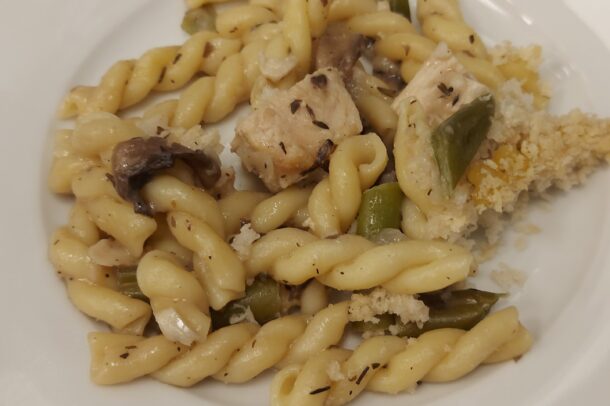
Turkey Green Bean Casserole Pasta
This filling pasta casserole is a great dinner idea for the whole family.