

by Emily Campbell, RD CDE MScFN
When managing kidney disease, diet plays a crucial role in maintaining kidney function and overall health. Among the many dietary adjustments recommended, reducing sodium intake is one of the most important steps you can take as many Canadians overconsume sodium. Sodium, commonly found in processed or packaged foods, can lead to high blood pressure and fluid retention with kidney disease. One common source of sodium in our diet comes from canned soups. However, that does not mean you have to say goodbye to delicious, comforting meals like soup, this post will review tips and tricks for choosing low sodium soup.
Sodium and soup
One teaspoon of salt has around 2300 mg sodium. When preparing soup, reading the nutrition facts can help you to determine if it is a high or a low sodium product. Food labels can help us to determine if a product has a lot or a little bit of sodium. When choosing a meal, aim for about 500 mg (20% Daily Value) or less for sodium, if it is an individual product aim for 125 mg (5% Daily Value) or less for sodium.
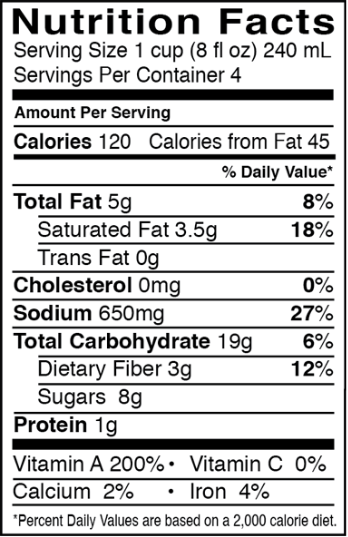
This product label shows that one serving (240 ml) of this soup contains 650 mg of sodium, which is 27% of the recommended daily value.
Tips for making kidney-friendly, low-sodium soups
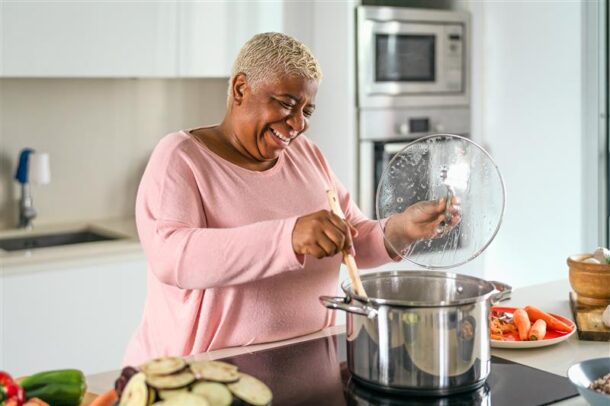
Making soup at home can be a helpful way to control the amount of sodium in soup. Here are some strategies for adding flavour without the salt when making your own soups.
- Use fresh herbs and spices: Fresh herbs like parsley, basil, thyme, oregano, and rosemary can add flavor without the need for salt.
- Make your own broth: Commercial broths can be very high in sodium. Make your own broth by simmering vegetables and herbs with water and a little seasoning.
- Look for “no added salt” products: such as broths, seasoning mixes or canned vegetables.
- Add vegetables: Fresh or frozen can add a lot of flavour without sodium.
Storing Soups
Whether you’re batch cooking for the week or preparing meals in advance for later, freezing soup helps retain its flavors and textures if done correctly. Below are some expert tips to help you freeze homemade soup successfully, ensuring that your frozen soup tastes just as good as it did when freshly made.
Let the soup cool completely before freezing.
How to do it:
- Let the soup sit at room temperature for about 30-60 minutes, depending on the volume.
- For faster cooling, you can place the pot in a sink filled with ice water (make sure the water doesn’t touch the soup). Stir occasionally to release heat.
Use freezer-friendly containers
Options to consider:
- Plastic Freezer Bags: These take up less space than containers and can be stacked easily. Lay them flat when freezing to help the soup freeze evenly and faster.
- Airtight Containers: Use BPA-free plastic or glass containers with tight-fitting lids. Leave about 1-2 inches of space at the top to allow for expansion as the soup freezes.
- Mason Jars: Mason jars are great for freezing soup, but you need to leave enough room at the top for expansion. Only fill jars about 2/3 full to avoid cracking when the soup freezes.
Portion for easy reheating
How to do it:
- Use smaller containers for single servings or family-friendly portions.
- If using freezer bags, pour the soup into the bag, remove excess air, and seal. Flatten the bags to create uniform portions that are easy to store.
Label your containers
What to include on the label:
- Name of the soup
- Date it was frozen
- Any special notes (e.g., “contains dairy” or “add dairy when reheating”)
Enjoy your frozen soup within 3 months
Best practice:
- If you’ve frozen different batches of soup, consider using the oldest soups first to avoid keeping them in the freezer for too long.
Get cooking
So go ahead—prepare your next batch of comforting, hearty soups and freeze them for a rainy day or busy week ahead. When done correctly, frozen soups can be just as satisfying and delicious as fresh ones, offering you the convenience of a healthy meal whenever you need it. For more kidney-friendly soup ideas, check out the Kidney Community Kitchen.